



Vertical Spraying vs. Horizontal Spraying: Which Setup Works Best for Your Shop?

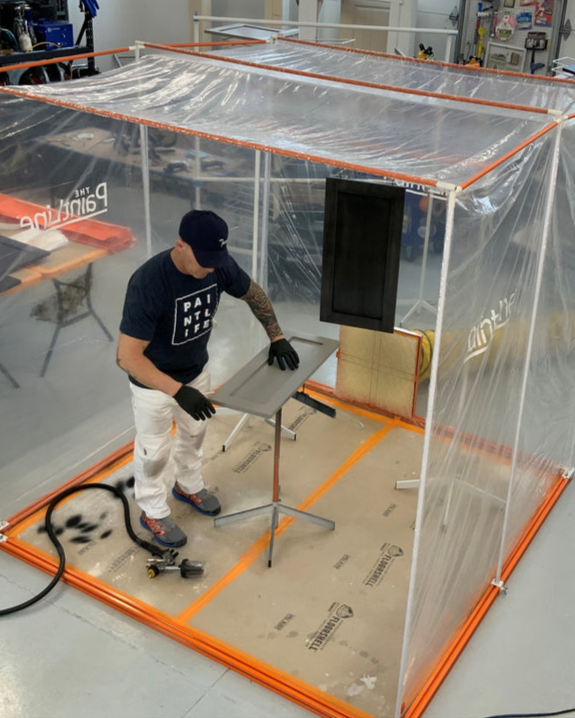
Walk into any cabinet shop or finishing space and you’ll usually notice one thing right away: how parts are positioned during spraying. Some painters prefer everything laid flat on tables and racks. Others hang doors and panels vertically and move down the line. Both methods are common, and both produce excellent results.
So which is better for you: vertical spraying or horizontal spraying?
Your ideal setup comes down to space, workflow, drying time, and personal preference. Each approach solves different problems and introduces different tradeoffs. Understanding those differences can help you build a finishing process that’s faster, cleaner, and more efficient.
The Benefits of Horizontal Spraying
There’s a reason horizontal spraying has been the go-to method for years. It offers a few practical advantages that make finishing feel straightforward and predictable.
When parts are laying flat:
- Gravity works in your favor to reduce runs and sags
- Pieces feel stable and easy to control
- Spraying wide, flat surfaces feels natural
- It’s beginner-friendly and easy to train new painters
- Longer parts are easier to handle
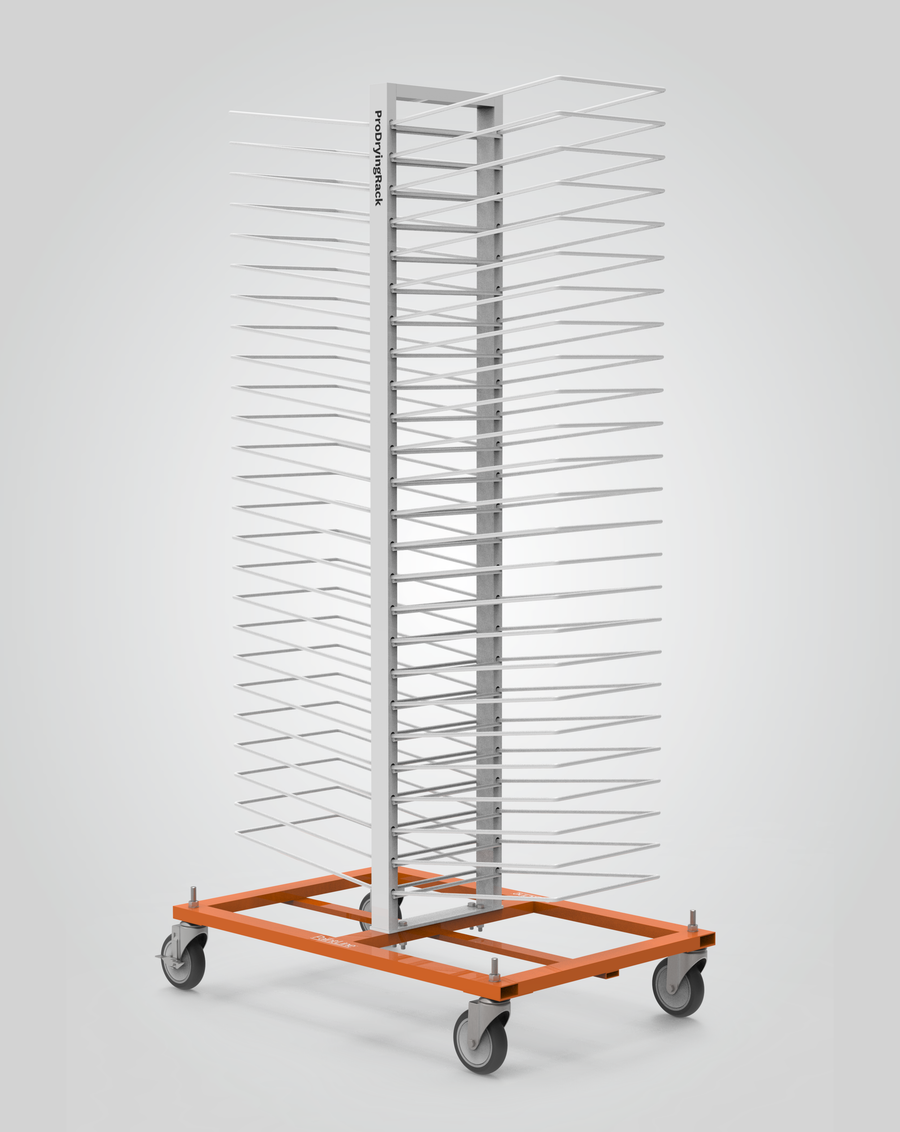
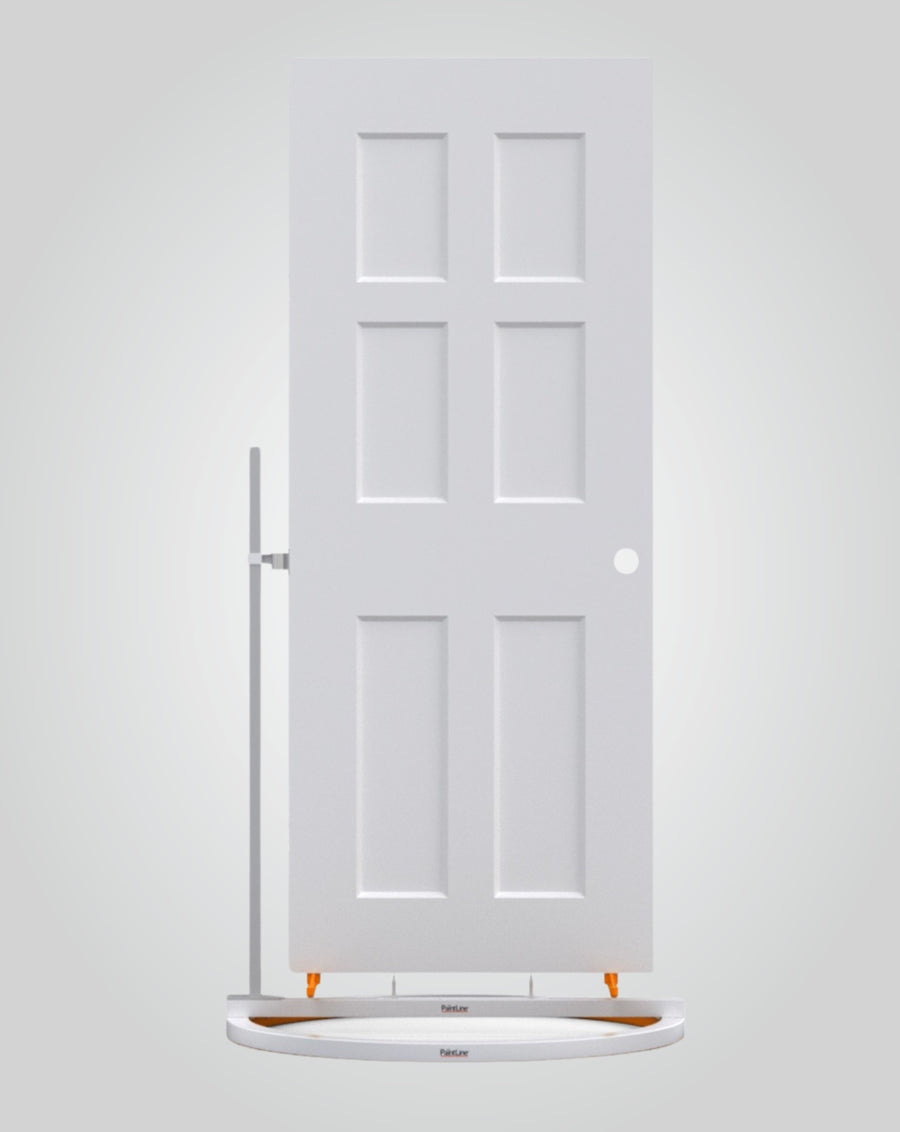
Horizontal drying racks and rotating spray tables also make it simple to spray the part quickly, then load multiple parts at once and let them dry undisturbed.
Spraying and drying longer parts like trim and molding can be easier when using expandable racks like the ProDryingRack EX Series.

The Challenges of Horizontal Setups
While horizontal spraying is simple and familiar, the biggest drawbacks usually show up in time and handling.
Because pieces are laying flat, you can only spray one side at a time. That means waiting for the first side to dry enough to handle, flipping the piece, and then spraying the second side. When you multiply that process across dozens of doors or drawer fronts, the delays add up quickly.
Handling also introduces risk. Even when a surface feels dry to the touch, it may not be fully cured.
Flipping or moving parts too soon can lead to:
- Smudges or fingerprints
- Pressure marks
- Imprints from racks or shelves
- Rework from touched-up finishes
To help reduce those contact points, some shops use accessories like PDRKD Shelf Spikes or Felts to minimize or cushion surface contact with the piece while it dries. These small tweaks can help protect the finish, but they don’t completely eliminate the extra time spent waiting, flipping, and handling parts.
For more tips on time saving, check out our blog post on how to speed up the drying time.

The Benefits of Vertical Spraying
Vertical setups tend to shine when efficiency and space savings are priorities. Because parts hang instead of laying flat, you can fit more pieces into a smaller footprint. That alone can dramatically change how a shop feels and functions.
Many painters like vertical systems because they:
- Maximize drying capacity in tight spaces
- Make it easy to spray both sides at once
- Keep parts organized and easy to track
- Create a smoother, production-style workflow
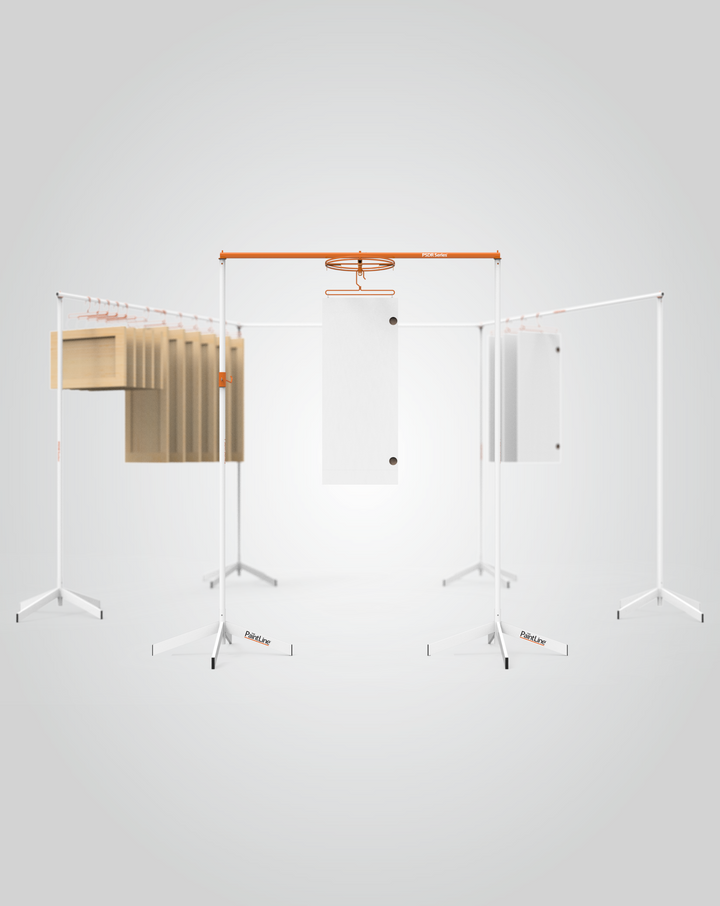
Instead of spraying one side, waiting for it to dry, flipping over and spraying the other side, then waiting for that side to dry, you can save time by spraying all sides at once. Using a vertical spray and dry system can turn a start-and-stop process into a smoother workflow.

The Challenges of Vertical Setup
Of course, vertical spraying isn’t perfect for every situation either. Because parts are upright, gravity becomes more noticeable. Technique matters a bit more to avoid runs or heavy passes, especially with thicker coatings.
There’s also a small learning curve if you’ve only ever sprayed flat. Some painters simply prefer the comfort of horizontal work surfaces, and that’s completely valid. Workflow should feel natural, not forced.
Common challenges of spraying vertically include:
- Greater risk of runs or sags if material is applied too heavily
- Requires more controlled spray technique and consistent gun speed
- Slight learning curve for painters used to horizontal surfaces
- Hanging and unhooking parts adds a handling step
- Not always ideal for very small or oddly shaped pieces
Vertical systems can also require a bit more upfront setup compared to simply placing parts on a table, such as screwing in cup hooks to hang the doors. To prevent time spent doing this, and from drilling holes into the doors, we offer Premium Hinge Hooks for unmarred surface results.

Space, Workflow, and Personal Preference
The difference between vertical and horizontal spraying usually comes down to three things:
- Time: How much time do you have to dedicate to spraying and drying?
- Space: Which type of spray and dry system would fit best in your shop?
- Volume : How many parts are you finishing at once?
Smaller jobs and detailed pieces often feel great on flat racks and rotating spray tables. Larger runs of doors and panels may benefit from vertical hanging systems that pack more capacity into less space.
That’s why many shops end up using both.
It’s not uncommon to see horizontal racks like the 50-Shelf PDRKD or 20-Shelf PDRTT for longer parts and drawer fronts, alongside a vertical system like the PSDR drying rack for doors and large panels. Mixing methods gives you flexibility depending on the project.
So, which one is better for your shop?
While neither method is "better", both vertical spraying and horizontal spraying can produce beautiful, professional finishes. The best choice is the one that fits your space, your pace, and how you like to work.
If you value simplicity and stability, horizontal might feel right.
If you want to maximize capacity and create a faster flow, vertical might make more sense.
And for many finishing pros, the sweet spot is somewhere in between. The goal isn’t to follow a rule, it’s to build a setup that helps you spray more efficiently, stay organized, and deliver consistent results day after day.