



How to Efficiently Paint Interior Doors

Painting interior doors can instantly refresh a space and give a home or commercial project a cleaner, more modern look. Whether you’re updating old doors, changing colors, or refinishing multiple doors on a larger project, efficiency is key. Without the right process, painting doors can become time-consuming, messy, and difficult to manage. In this blog, we’ll cover the best ways to efficiently paint interior doors and how using the right tools can improve workflow, save time, and deliver professional-quality results.
Why Efficiency Matters When Painting Interior Doors
Interior doors may seem simple, but painting them properly requires careful prep, the right equipment, and a solid workflow. Working efficiently helps reduce downtime and ensures a smoother finish.
Benefits of an efficient process:
- Faster project completion
- Better finish consistency
- Less wasted paint and materials
- Reduced risk of drips, smudges, or damage
- Easier handling between coats
Whether you’re a DIYer or a professional finisher, having a clear system in place can make a big difference.
Step 1: Prepare the Doors Properly
Preparation is one of the most important steps in achieving a quality finish.
Before painting:
- Remove door hardware such as knobs, hinges, and locks
- Clean the surface to remove dust, grease, and grime
- Fill dents or imperfections with wood filler
- Sand the entire surface for better paint adhesion
- Wipe down with a tack cloth before priming
Taking the time to prep correctly creates a smoother final result and helps paint bond properly.

Step 2: Set Up an Efficient Painting Station
A dedicated painting setup improves speed and organization. Instead of laying doors on the floor or balancing them on makeshift stands, use proper support systems.
Helpful tools include:
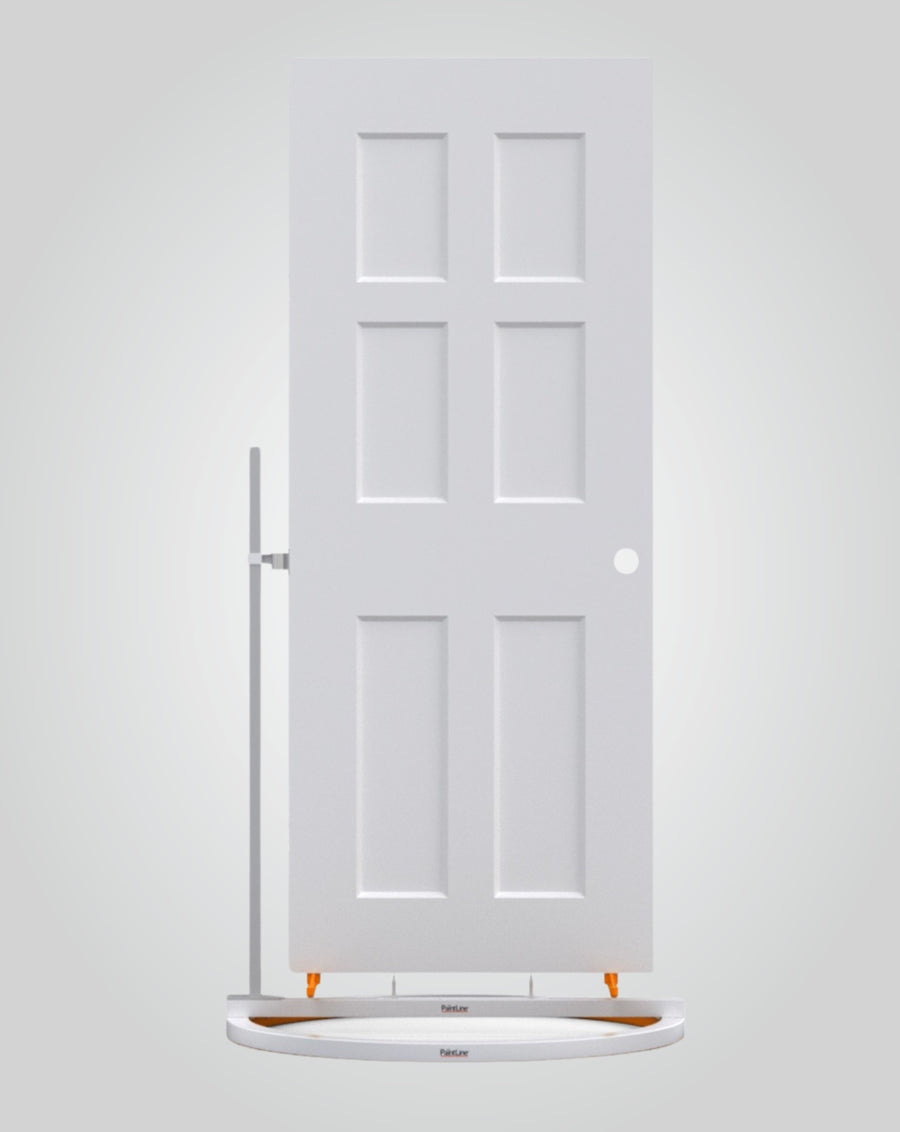
- Rotating spray stands for full access while painting
- Sawhorses or elevated stands for stability
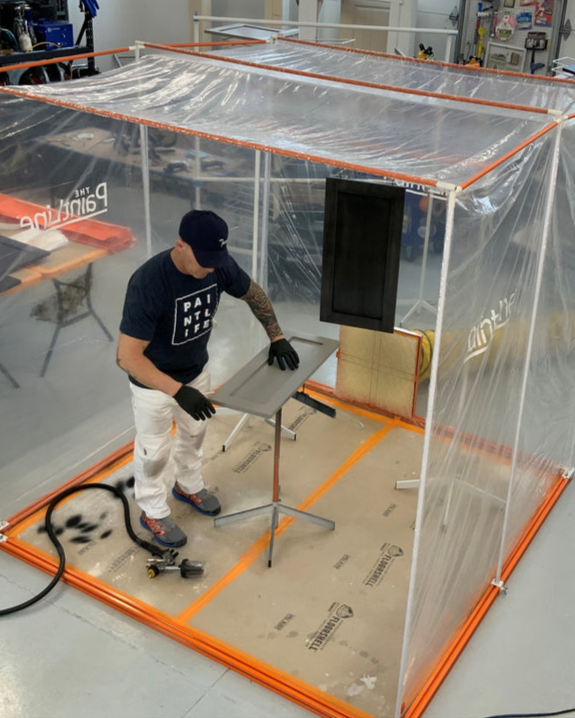
- Portable spray booths for dust control
- Organized work zones for prep, paint, and dry stages
PaintLine products like the SprayTwirly and Portable Jobsite Spray Booth can help create a cleaner and more efficient setup.
Step 3: Use the Right Painting Method
Choosing the right application method can save time and improve the quality of the finish.
Spraying
Best for:
- Smooth, factory-like finishes
- Faster application
- Multiple doors at once
Rolling and Brushing
Best for:
- Smaller touch-up jobs
- Limited equipment setups
- DIY projects
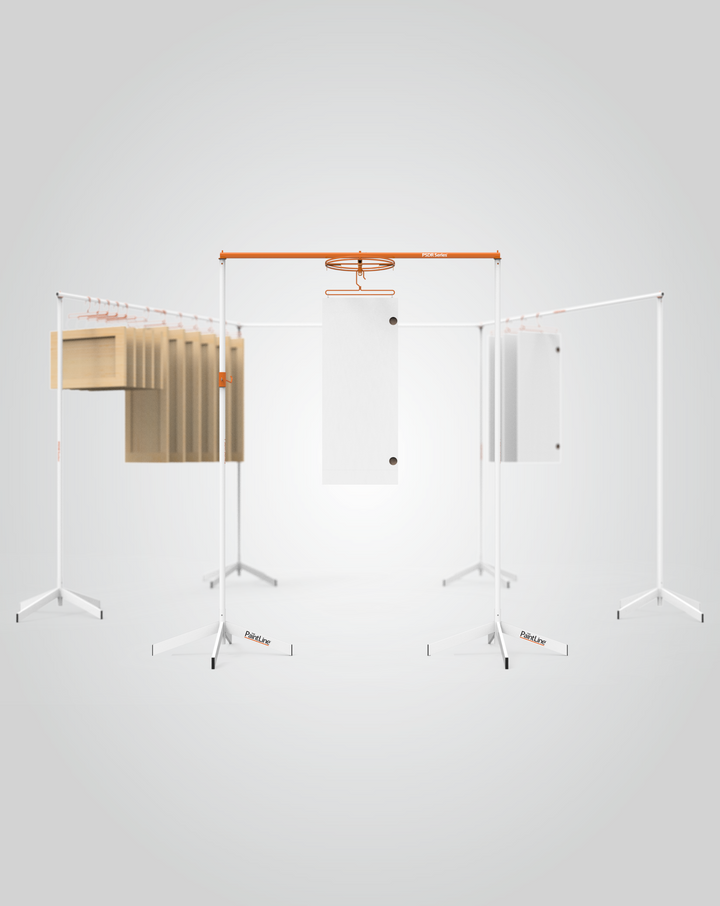
For professionals and larger jobs, spraying is often the fastest and most consistent option. Using products like the Interior Door Spray & Dry Series (PSDRID) can help increase efficiency by spraying and drying up to 20 doors at once in a small area.

Step 4: Dry Doors Properly Between Coats
Proper drying is just as important as the painting itself. Doors need enough airflow and safe storage to prevent damage while curing.
Best practices:
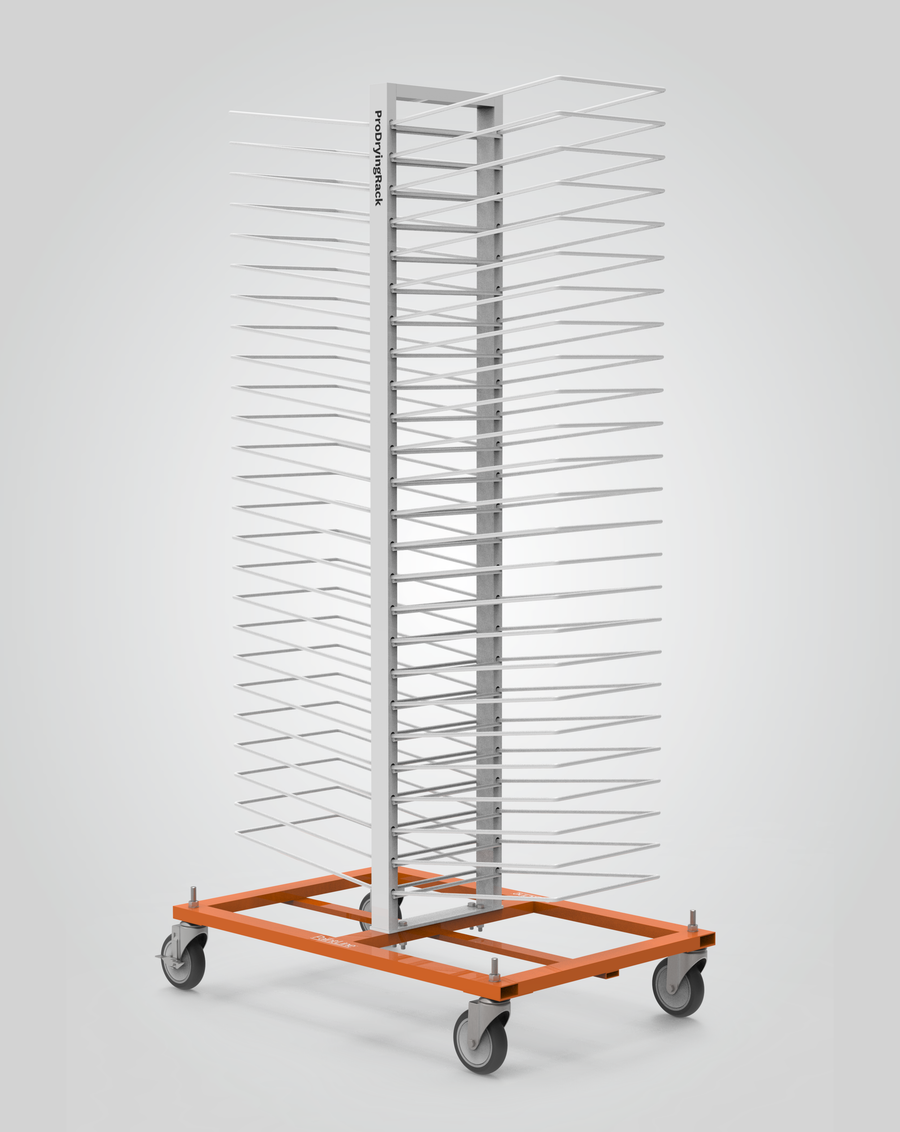
- Use drying racks to keep doors organized
- Keep doors off the floor to avoid contamination
- Allow proper drying time between coats
- Maintain good airflow in the drying area
- Keep the area clean and dust-free
Step 5: Stay Organized for Reinstallation
Once the doors are painted and cured, staying organized helps speed up the final installation process.
Helpful organization tips:
- Label each door and corresponding hardware
- Store hinges and screws in labeled bags
- Keep doors grouped by room or project phase
- Check for touch-ups before reinstalling
This step helps prevent confusion and saves time when putting everything back together.
Tips for Faster Interior Door Painting
To improve efficiency even more:
- Paint all doors in batches instead of one at a time
- Use fast-drying paint when possible
- Keep your spray equipment clean between uses
- Set up a workflow that minimizes unnecessary movement
- Use drying systems that maximize space
Small workflow improvements can make a major difference on larger projects.
Final Thoughts
Painting interior doors efficiently comes down to preparation, organization, and using the right tools. By creating a smooth workflow from prep to paint to drying, you can complete projects faster while maintaining professional-quality results. Whether you’re tackling one room or an entire house, investing in proper equipment and a streamlined process can save time, reduce mistakes, and help deliver a flawless finish every time.