



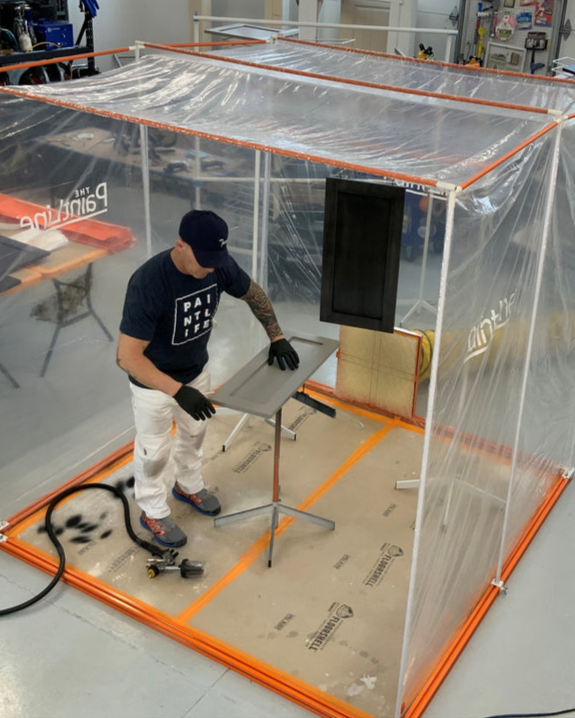



How to Dispose of Paint Properly

Paint can contain harmful chemicals and toxins that can be dangerous if they are released into the environment. These chemicals can seep into the soil, groundwater, and nearby waterways, which can have negative impacts on plant and animal life, as well as human health. For example, lead-based paint can cause neurological and developmental problems if ingested or inhaled, and oil-based paint can contain solvents that can pollute the air and water if not disposed of properly.
If you don't dispose of paint properly, it can end up in landfills, where it can leak out and contaminate the environment. Alternatively, people may dump their paint down the drain or into storm water systems, which can lead to the contamination of waterways and aquatic life. Improper disposal of paint can also result in legal fines and penalties for individuals or businesses, as it is considered illegal dumping.
By properly disposing of paint, you can help to protect the environment and ensure that the harmful chemicals and toxins within the paint are not released into the environment. Many communities offer recycling and disposal options for paint, so it's important to research and follow the proper guidelines for your area.
The safest way to dispose of used paint products depends on the type of paint and the country or state regulations. Here are some general guidelines for disposing of different types of paint products:
-
Latex or water-based paint: Latex or water-based paint is non-hazardous and can be safely disposed of in the trash if it is fully dried or solidified. You can add an absorbent material like kitty litter or shredded paper to speed up the drying process. Once the paint is dry, you can place it in the regular trash.
-
Oil-based paint: Oil-based paint is considered hazardous waste and should not be disposed of in the regular trash. You should contact your local waste management agency to determine the proper way to dispose of it. In many cases, you may need to take it to a designated hazardous waste facility.
- Paint thinner or solvent: Paint thinner or solvent is considered hazardous waste and should not be disposed of in the regular trash. You should contact your local waste management agency to determine the proper way to dispose of it. In many cases, you may need to take it to a designated hazardous waste facility.
Recycle Used Paint
There are also companies that recycle used paint. Many of these companies will take old or unused paint and process it in a way that allows it to be reused or repurposed. Some of the larger paint manufacturers such as Sherwin-Williams, Behr, and PPG Industries have their own paint recycling programs that accept unused paint from individuals and businesses.
Some Companies Collect Used Paint
There are also independent paint recycling companies that specialize in taking used paint and processing it for reuse or disposal. To find a paint recycling program or company in your area, you can check with your local waste management or environmental agency, or search online for "paint recycling near me."
It's important to follow proper disposal guidelines to prevent environmental contamination and harm to human health. Be sure to check with your local waste management agency for specific guidelines on how to dispose of used paint products in your area.